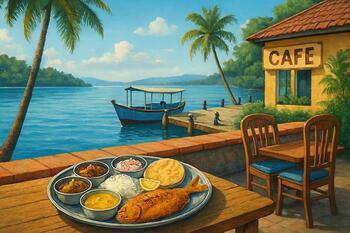
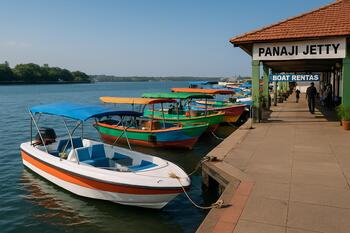
Goa — Arc & Snack
Launch calm, arc along the sandbar, pause for a fish thali, return with golden light on the rails.
Four coasts, one promise: calm-first days. Glide between palms in Goa, circle the Gateway in Mumbai, or draw lazy lines over Andaman turquoise.
We draw routes that keep options open: a quiet cove if breeze builds, a snack jetty if laughter does.
Launch calm, arc along the sandbar, pause for a fish thali, return with golden light on the rails.
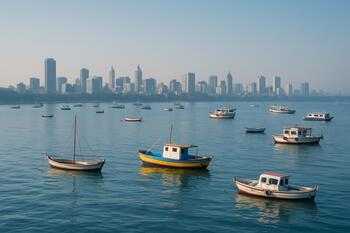
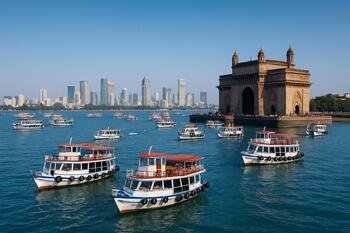
Harbor loop that keeps photos clean and wakes friendly to shoreline homes.
Glass most afternoons. We keep entries gentle and pauses long enough for a book page.
Quiet channels, nets like sculpture, and a sunset that takes its time.
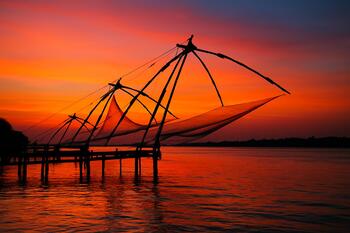
We idle at photo distance — nets and sky do the heavy lifting.
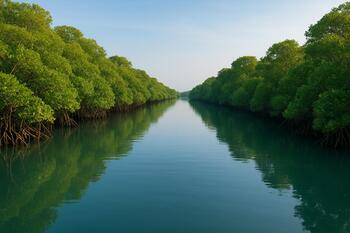
Leaves barely move; the wake is a pencil line we erase before it reaches the shore.
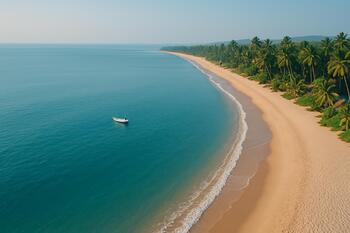
Sand curves like a smile. We time calm entries, keep wakes tiny, and let ladders meet warm water.
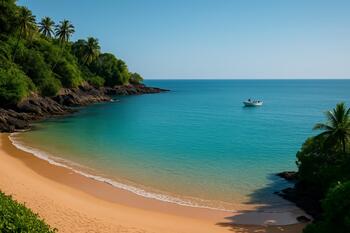
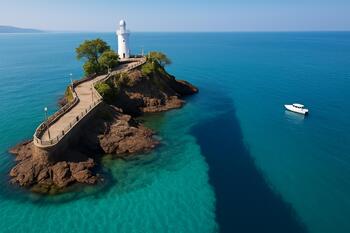
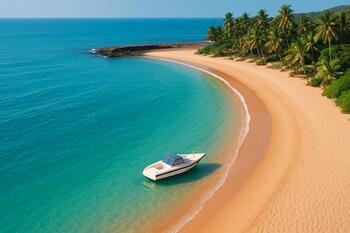
We idle where photos sing and keep no-wake manners near the homes that face the water.
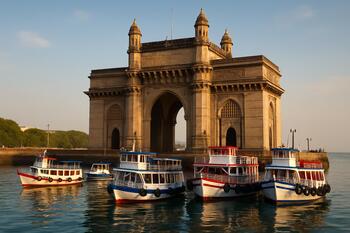
Gentle arc past the monument; cameras up, throttles down.
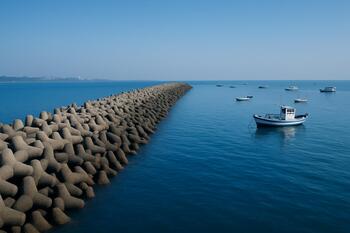
Skyline behind, glass in front — a perfect minute for a family photo.
Harbor channels stay clear. Music rides at conversation level.
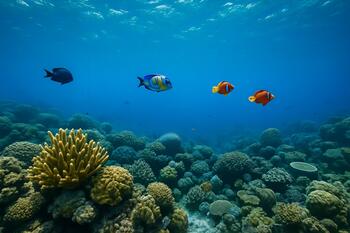
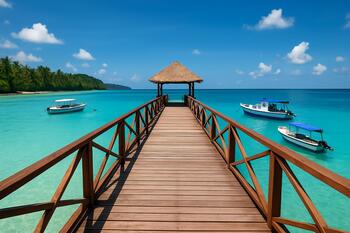
Turquoise like a promise. We pause where the reef throws shadows and the water forgets to ripple.
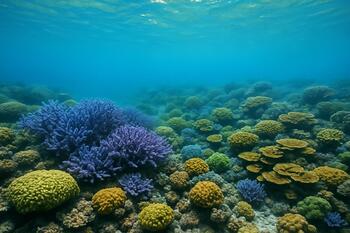
Mask on, rails quiet. Ten minutes feels like a tiny holiday.
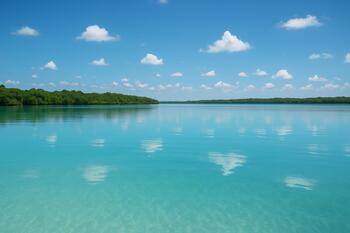
Wide blues and soft light. We drift, not rush.
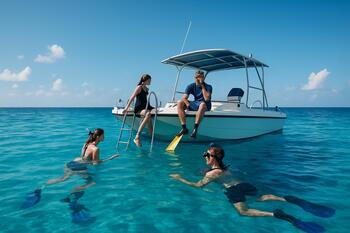
No chasing wildlife. Engines neutral with swimmers in the water.
Gentle meanders, mangrove shadows, and photo pauses marked like little anchors on a line.
Light, local, and five-minute friendly — perfect between coves.
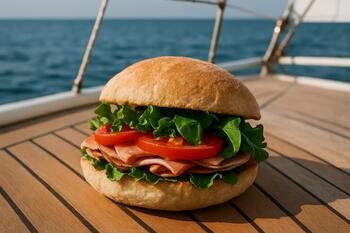
Soft roll, crisp bite. Packs well, vanishes fast.
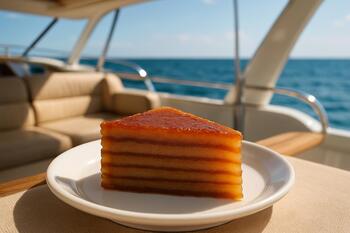
Thin layers, big smiles; shareable after a swim.

Nature’s sports drink. Peel, sip, repeat.
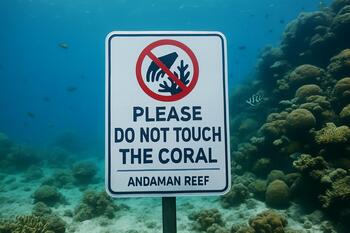
Reefs are stories written slowly. We read, not rewrite.
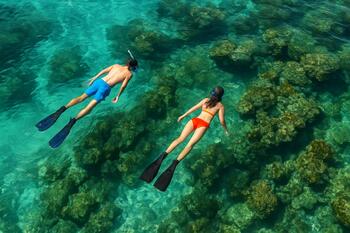
Photos are better when the sea is relaxed — and so are we.
We time entries by comfort: mid-tide is the sweet band; low opens sand, high softens steps.
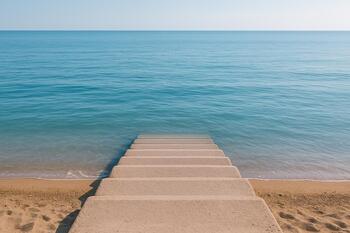
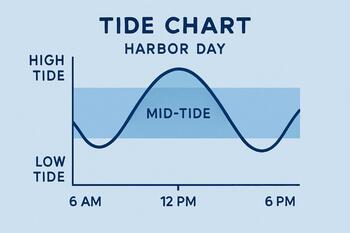
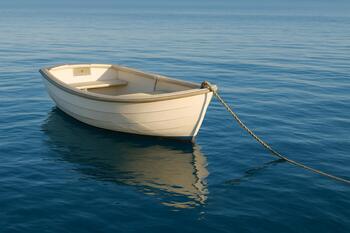
Mid-tide keeps ladders friendly and sandbars useful.
Quiet radios, marked lanes, and throttles like whispers. The city glows; we glide.
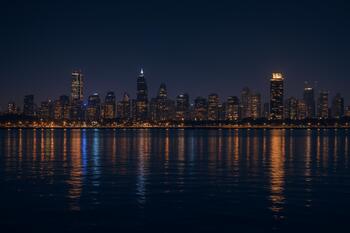
We steer to keep wakes low near the seawall and give camera crews steady water.
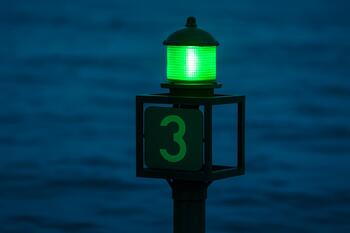
Green to starboard, red to port on return. We teach by pointing, not lecturing.
Neighbors who know currents by scent and sunsets by minute.
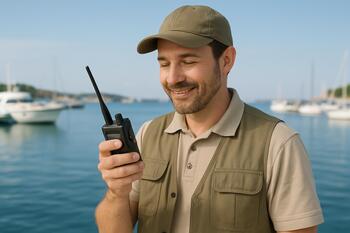
They listen before they speak; radios tell stories if you let them.
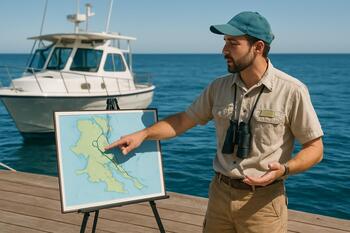
Short, human, useful. The map gets folded the same way every time.
Knows tide quirks by smell. Points to sandbars like they’re old friends.
Reads wind by tree edges. Picks the quietest five minutes of the hour.
Two moods, same promise: easy water. We chase calm light, not distance.
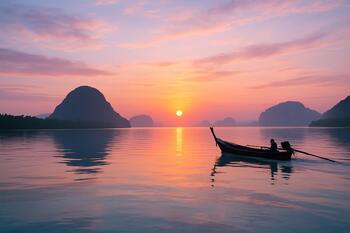
Where we meet the day: tidy docks, friendly crews, and an easy walk from the car.
Boating is culture as much as craft. This longform guide keeps the sea calm and neighbors smiling.
Every coast has a rhythm. We learn it by listening first — to water against pilings, to flags along the road, to how fishermen nod when we throttle back. Etiquette is simply attention, practiced slowly.
Start with pace. Harbors are conversations, not racetracks; keep wakes polite near seawalls and wooden jetties. A gentle hand on the throttle carries further than any horn.
Routes should have exits the way stories have chapters. Leave yourself a cove if breeze grows, a snack jetty if energy dips, a short return if someone catches a chill.
Photos are welcome almost everywhere, but a little distance makes them better — especially near working nets, shrines on headlands, or casas that face the water. If someone waves, wave back; if they wave down, ease off.
Sound travels on flat water. Music at conversation level feels generous; above that, it becomes a shoreline problem. We prefer the soundtrack of hull and air.
Families ride easiest when weight is even: a person to port for each to starboard, heavier bags near the centerline. It turns chop into background texture instead of plot twist.
Pack like travelers, not tourists. Refill bottles, reef-safe sunscreen, a spare cloth for salt on lenses, and a small bag for anything you brought that the sea didn’t ask for.
Wildlife is seen best from the edge of its comfort. Do not chase, circle, or hover directly overhead; let curiosity be mutual and brief. The best photos are the ones we didn’t disturb to take.
Weather writes in drafts. Morning glass may add ripples by noon; distant rain can mean a friendly wind shift or a quick return. We plan windows, not heroics.
When swimming, make the ladder a tiny ritual: mask off, call “clear,” hand to rail, one step at a time. Engines stay in neutral until every fin is back on deck and counted.
Respect is a chain of small actions: coiling lines so feet are safe, rinsing salt where metal meets time, thanking dock staff by name. Calm comes back like a tide.
Leave a place slightly better than you met it — a bit of windblown wrapper fetched from the rocks, a fender straightened on a neighbor’s cleat, a quick note to crew about a friendly current for tomorrow’s launch.
“Good seamanship is invisible — guests remember the day, not the effort.”
If plans change, say so early. A short message to your group or to a harbor neighbor solves more than speed ever could. Clarity is kindness afloat.
And finally: take one minute of quiet every trip. Engines off, phones down, eyes on a line where sky meets water. The day expands there.